After wind, limbs and hard rain in Verona
Storm Damage Roofing in Verona, NJ
After a windy night or a downpour, a roof can lose shingles, take a limb or let water in at the metal around a chimney. Call (862) 396-4866 about a visit, and have the roof looked over before the next storm.
What changes the size of the job
What sets the size of a storm repair
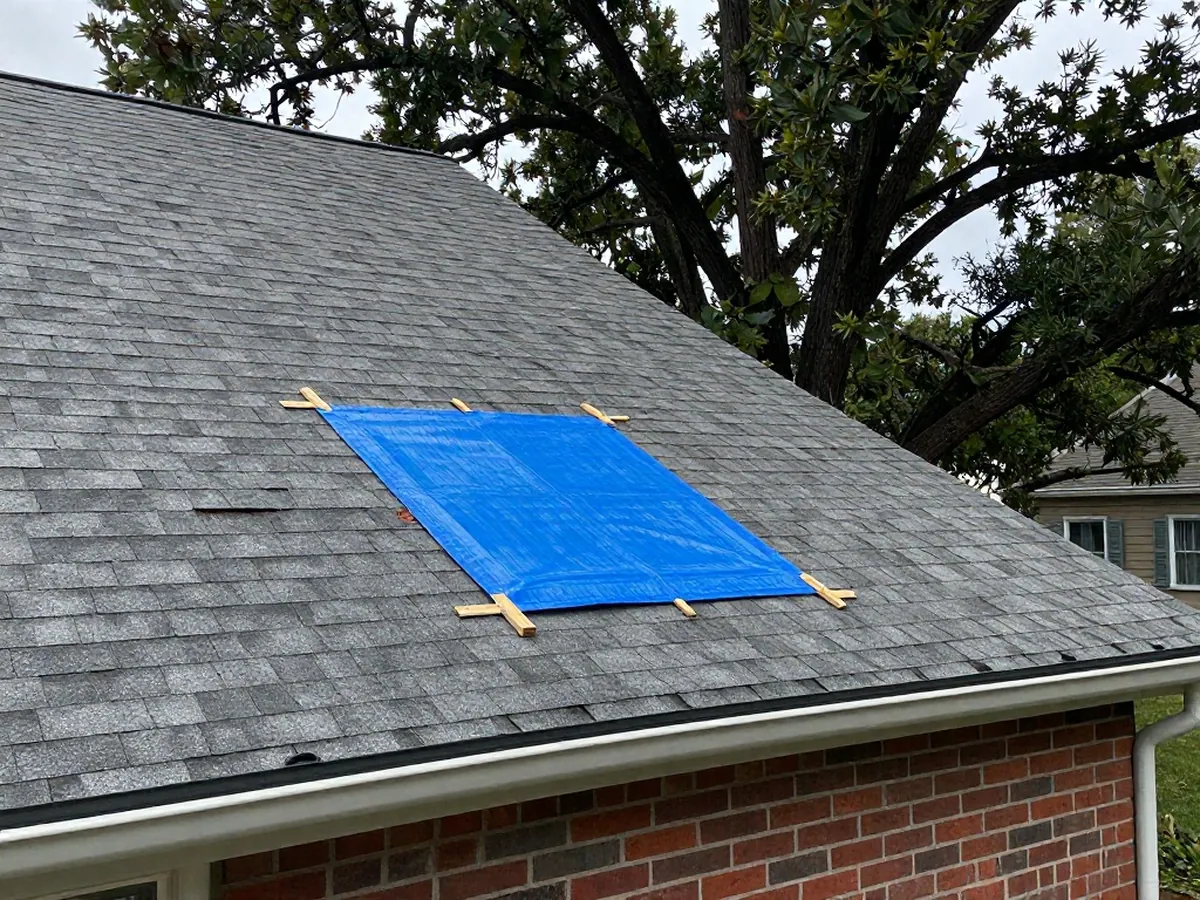
The count of damaged areas matters, and so does whether the deck beneath them took the hit. Height, steepness and access change the work, as does the choice between a temporary cover and a lasting repair. Matching existing shingles can be its own question. For the claim side, the state insurance department advises reporting a loss promptly, protecting the property from further damage, saving receipts for temporary repairs and photographing damaged items before throwing anything away. It also says the contractor an insurer suggests is a choice, not a requirement.
Stop and step back if
- A wire on the ground or snagged in branches: assume it carries current, stay 30 feet or more away and call 911 or the electric company.
- Water falling through a ceiling light, or a ceiling that bows downward: step out and call 911.
- A tree or heavy limb resting against the house: stay out of the rooms and yard below it, and dial 911 if someone is hurt or the building seems to shift.
- A wet, windy or dark roof: do not climb up. Take photographs from the ground.
This job and its partner
A storm repair or a full roof look
A storm repair answers what the weather did. An inspection asks what else the roof is carrying, such as older flashing or worn shingles that the storm only exposed. The roofing manufacturers' association lists missing or loose shingles, impaired flashing and obstructed gutters or vents as signs that call for a professional. When the damage is clear, start with the storm repair. When it is unclear, a roof inspection is the better first step.
What to look at
Binoculars, a notebook and the date
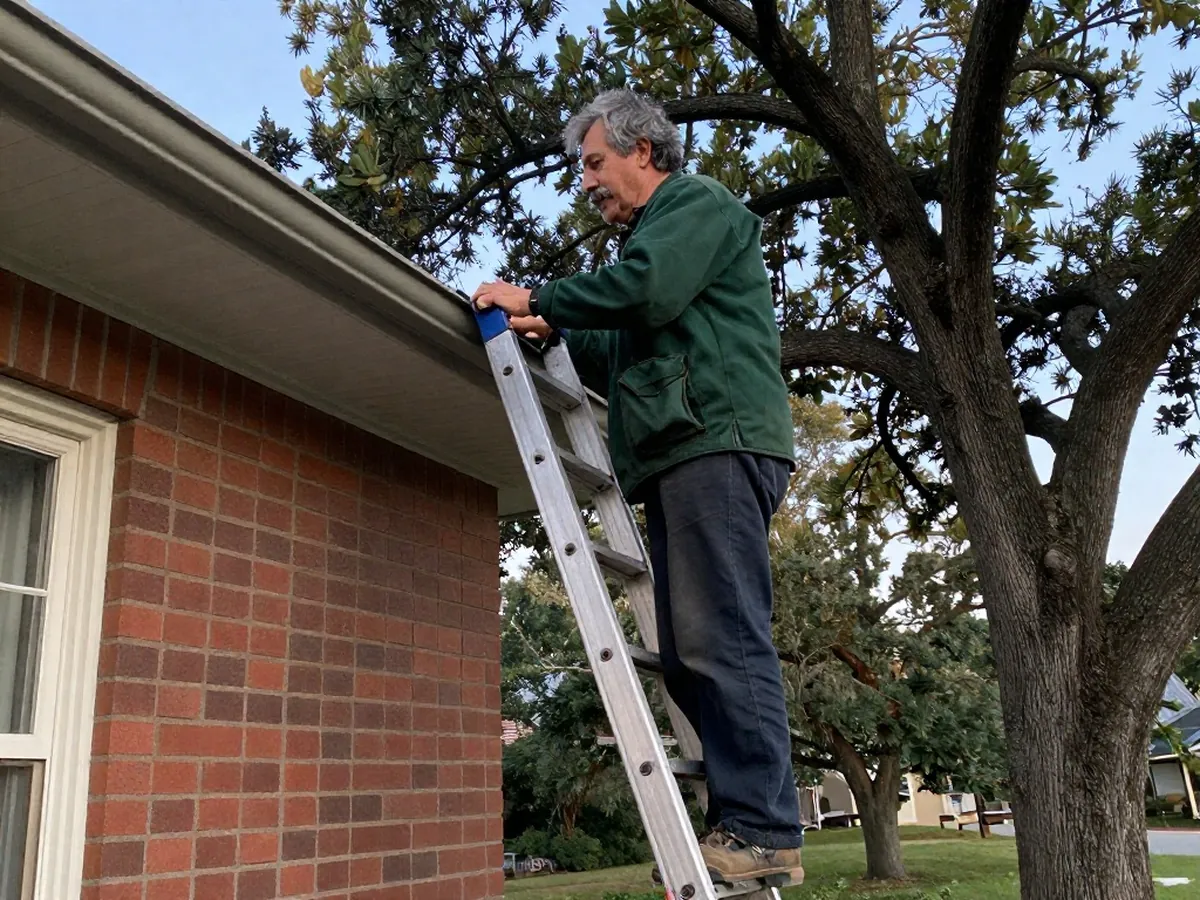
Two recent storms show the range. In Isaias, on 4 August 2020, a million-plus New Jersey customers lost power, some for five days or more, and the state weather network's recap speaks of countless fallen trees. Ida's remnants, a year later, were a rain story: Newark Airport collected 8.44 inches as the remnants passed on 1 and 2 September 2021. The first look afterward needs no ladder. Walk the yard with binoculars, or use an upstairs window, as the asphalt roofing trade group suggests, then jot down the date and what you saw before anything is cleaned up. Treat any wire in a tree as live, as PSE&G advises, and keep a ladder well clear of overhead lines, a distance NIOSH puts at ten feet. Notes and photos let the contractor and, later, an adjuster see the same things.
On a visit, in order
- 1
Call (862) 396-4866 and give the storm date, what fell or lifted and where water showed inside; keep photos handy and ask for a contractor to stop by.
- 2
The contractor can start from the ground with binoculars, as the roofing manufacturers' association suggests, checking shingles, flashing, gutters and vents.
- 3
The attic comes next: stains on the underside of the roof deck, damp insulation, and any daylight showing through.
- 4
Where a limb or an impact hit, the look can reach the boards under the damaged shingles, since a dent in the covering can hide a crack in the deck.
- 5
A temporary cover such as a tarp may be among the options while a permanent repair waits for materials or for an insurance adjuster.
- 6
Claims and paperwork follow. The state insurance department says a policyholder may pick a different contractor from the one the insurer recommends, and the paperwork page collects the claim notes.
The parts involved
Where wind goes to work on a roof
FEMA's high-wind shingle sheet adds extra steps at the edges: six nails per shingle along the eaves, dabs of roof cement at hips and ridges, and a final fastener at the rake edge. Those details show where the trade expects wind to push hardest. The sheet also says to check that shingle tabs have sealed once sunshine has activated the sealant. A tab that never sealed can lift in the next gust.
Signs to look for
- Shingles or pieces of them lying in the yard or on the driveway
- Lighter patches or lifted edges on the roof as seen from the ground
- A limb resting on the roof, or a dent where one landed
- Gutters pulled away, bent or full of gritty granules
- A fresh stain on a ceiling the morning after the storm
Paperwork pointer
Emergency repairs and the permit clock in Verona
For urgent work, Verona's building FAQ lets repairs begin before a permit is issued, provided the permit is obtained within 72 hours, and says to contact the Building Department to be placed on the Emergency Work List. Replacing shingles alone needs no permit there. The state's insurance guidance covers claim steps. Both are summarized on the paperwork page.
Have this ready
Write down the address, what is visible from the ground and the roof's age if known, then call (862) 396-4866. Tenants start with the landlord. Towns covered: Verona, Cedar Grove, North Caldwell, West Orange.